
Skip to content

Wet Diamond Blades

Wet Diamond Blades for Tile, Porcelain, Stone & Glass

Wet diamond blades are designed for water-cooled cutting of compatible porcelain, ceramic, natural stone, glass, and large-format tile. Shop wet cutting diamond blades in continuous rim, turbo rim, turbo mesh, and specialty designs for wet tile saws and other compatible equipment, with options for different materials, blade diameters, and cutting requirements.

Alpha

Alpha Hot-Rod Channel Cutting Blade for Marble

3" Diamond Blade for Cutting Reinforcement Channels in Marble
Original price $91.15 - Original price $91.15
Original price
$91.15
$91.15 - $91.15
Current price $91.15
In Stock
Alpha

Alpha Hot-Rod Granite Channel Cutting Diamond Blades

Diamond Blades for Cutting Reinforcing Rod Channels in Granite
Original price $91.15 - Original price $105.01
Original price
$91.15 - $105.01
$91.15 - $105.01
Current price $91.15
Only 1 Left
Alpha

Alpha Crossville Laminam 4-3/8" Diamond Blade

Continuous Rim Diamond Blade for Laminam & Thin Porcelain Panels
Original price $29.00 - Original price $29.00
Original price $29.00
$29.00
$29.00 - $29.00
Current price $29.00
In Stock
Alpha

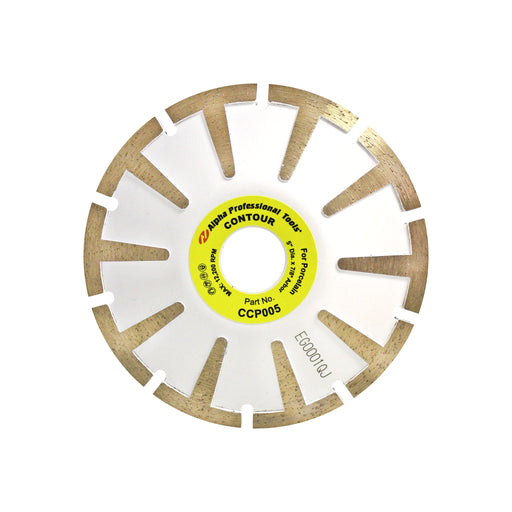
Alpha Contour Diamond Blades for Porcelain & Sintered Slabs

Curved Cutting Blades for Porcelain, Crystallized Glass & Sintered Slabs
Original price $126.41 - Original price $149.42
Original price $126.41
$126.41 - $149.42
$126.41 - $149.42
Current price $126.41
Only 1 Left
Free Shipping $200+

On Eligible Orders

FAST U.S. SHIPPING

In Stock & Ready to Ship

30 Day Returns

Easy, Hassle-Free Returns

Contractor Pricing

Exclusive Trade Discounts

Wet Diamond Blades for Professional Tile Cutting

Wet diamond blades are designed for water-cooled cutting of compatible porcelain tile, ceramic tile, natural stone, glass, and other hard materials. Used with wet tile saws and other compatible equipment, water is delivered to the blade and cutting area to help manage heat and airborne dust while the diamond cutting edge removes material.

Wet cutting diamond blades are available in different diameters, arbor configurations, rim designs, and material specifications. The appropriate blade depends on the material being cut, the saw, required blade size, desired cutting characteristics, and manufacturer specifications.

Types of Wet Diamond Blades

Continuous Rim Diamond Blades

Continuous rim diamond blades have an uninterrupted cutting edge and are available for compatible porcelain, ceramic, glass, stone, and other materials. These blades are commonly selected when edge finish is an important consideration, although exact cutting characteristics depend on the blade design, material, saw, and operating conditions.

Turbo Rim Diamond Blades

Turbo rim diamond blades use a continuous or closely spaced rim with a patterned cutting edge designed to influence cutting action and material removal. Wet turbo blades are available for different tile and stone materials, providing another option when balancing cutting speed and finished edge quality.

Turbo Mesh Diamond Blades

Turbo mesh diamond blades use specialized rim designs intended to provide efficient cutting across compatible tile and stone materials. Blade construction and material compatibility vary by product, so the specific blade should be matched to the material, wet cutting equipment, and required cutting performance.

Specialty Wet Cutting Blades

Specialty wet saw diamond blades are available for materials with particular cutting requirements, including dense porcelain, glass tile, granite, marble, and other natural stone. Material-specific blade designs allow installers to select a cutting edge suited to the characteristics of the material rather than relying on one blade for every application.

Wet Diamond Blades for Porcelain & Ceramic Tile

Porcelain and ceramic tile can both be cut with compatible wet diamond blades, but the appropriate blade can differ according to material density, thickness, surface, and construction. Dense porcelain can place greater demands on the cutting edge, making it important to select a blade specifically rated for the material and compatible with the wet saw being used.

Wet Diamond Blades for Glass & Natural Stone

Glass, granite, marble, and other natural stone materials have different cutting characteristics and should be matched with an appropriate diamond blade. Specialty wet blades are available for compatible glass and stone applications where the blade design, diamond cutting surface, and operating specifications are suited to the material.

Wet Cutting with Diamond Blades

Wet cutting delivers water to the blade and cutting area during operation. This helps manage blade and material temperature while reducing airborne dust generated at the cut. The required water flow and operating method depend on the blade and cutting equipment, so both the blade and saw manufacturer's specifications should be followed.

Choosing the Right Wet Diamond Blade

Choosing the right wet diamond blade starts with the material and cutting equipment. Compare material compatibility, blade diameter, arbor size, rim design, maximum permitted speed, cutting direction when specified, and the saw's blade requirements. When edge quality or cutting speed is particularly important, also consider the blade design recommended for that material and application.

Frequently Asked Questions

What materials can wet diamond blades cut?

Wet diamond blades are available for compatible porcelain tile, ceramic tile, glass, granite, marble, natural stone, and other hard materials. Material compatibility varies by blade, so select a blade specifically rated for the material being cut and verify its diameter, arbor, speed, and wet saw requirements before use.

What is the difference between wet and dry diamond blades?

Wet diamond blades are designed for cutting with water delivered to the blade and cutting area, while dry blades are designed for approved operation without a water supply. Some diamond blades may support both methods, but wet or dry compatibility should always be determined from the individual blade manufacturer's specifications.

What wet diamond blade should I use for porcelain tile?

Choose a wet diamond blade specifically rated for the type of porcelain being cut and compatible with your tile saw. Consider the blade's diameter, arbor, rim design, maximum operating speed, and intended material. Dense, textured, or thicker porcelain may have different cutting requirements than standard ceramic tile.

What is the difference between continuous rim and turbo diamond blades?

Continuous rim blades have an uninterrupted cutting edge, while turbo blades use a patterned rim designed to alter cutting action and material removal. Both designs are available for wet tile cutting. The better option depends on the material, desired edge quality, cutting speed, and specifications of the individual blade.

Can wet diamond blades cut glass tile?

Wet diamond blades specifically designed for compatible glass tile can be used for glass cutting applications. Glass has different cutting characteristics than ceramic or porcelain, so a general-purpose tile blade should not automatically be assumed suitable. Verify that the blade manufacturer specifically identifies the blade for the type of glass being cut.

Can wet diamond blades cut granite and marble?

Wet diamond blades are available for compatible granite, marble, and other natural stone materials. Because different stones vary in hardness, composition, and cutting characteristics, use a blade rated for the specific material and compatible with the saw, blade diameter, arbor, operating speed, and required wet cutting method.

Why is water used with a wet diamond blade?

Water helps manage heat at the blade and cutting area while reducing airborne dust produced during cutting. It can also help remove cutting debris from the contact area. Water requirements vary by blade and saw, so use the water delivery and operating method specified by the equipment and blade manufacturers.

How do I choose the right size wet diamond blade?

Use a blade diameter and arbor configuration compatible with the wet saw or cutting equipment. Then confirm the blade is rated for the material and operating speed. Never select a larger blade simply for additional cutting depth unless that diameter is specifically supported by the equipment manufacturer.