
Skip to content

Dry Diamond Blades

Dry Diamond Blades for Tile, Porcelain & Stone

Dry diamond blades are designed for cutting compatible porcelain, ceramic, natural stone, and other hard materials without water. Shop dry cutting diamond blades in continuous rim, turbo rim, segmented, thin kerf, and specialty designs for angle grinders, handheld saws, and other compatible tools used for trimming, notching, plunge cuts, and detailed tile cutting.

Alpha

Alpha Rescue Diamond Demolition Blades

Multi-Material Diamond Blades for Gas-Powered Cut-Off Saws
Original price $185.05 - Original price $272.36
Original price $185.05
$185.05 - $272.36
$185.05 - $272.36
Current price $185.05
Available to Order
Alpha

Alpha Hot-Rod Channel Cutting Blade for Marble

3" Diamond Blade for Cutting Reinforcement Channels in Marble
Original price $91.15 - Original price $91.15
Original price
$91.15
$91.15 - $91.15
Current price $91.15
In Stock
Alpha

Alpha Hot-Rod Granite Channel Cutting Diamond Blades

Diamond Blades for Cutting Reinforcing Rod Channels in Granite
Original price $91.15 - Original price $105.01
Original price
$91.15 - $105.01
$91.15 - $105.01
Current price $91.15
Only 1 Left
Alpha

Alpha Crossville Laminam 4-3/8" Diamond Blade

Continuous Rim Diamond Blade for Laminam & Thin Porcelain Panels
Original price $29.00 - Original price $29.00
Original price $29.00
$29.00
$29.00 - $29.00
Current price $29.00
In Stock
Alpha

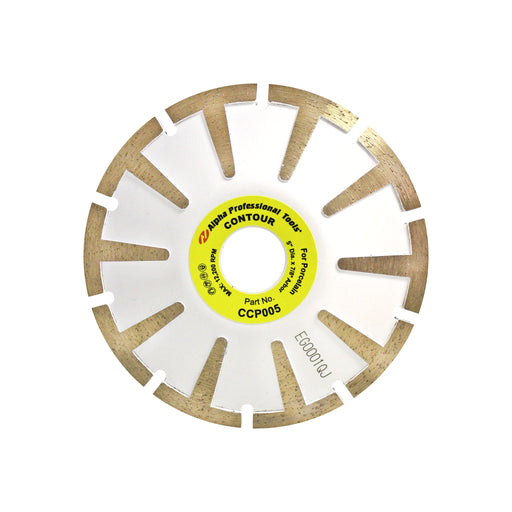
Alpha Contour Diamond Blades for Porcelain & Sintered Slabs

Curved Cutting Blades for Porcelain, Crystallized Glass & Sintered Slabs
Original price $126.41 - Original price $149.42
Original price $126.41
$126.41 - $149.42
$126.41 - $149.42
Current price $126.41
Only 1 Left
Free Shipping $200+

On Eligible Orders

FAST U.S. SHIPPING

In Stock & Ready to Ship

30 Day Returns

Easy, Hassle-Free Returns

Contractor Pricing

Exclusive Trade Discounts

Dry Diamond Blades for Professional Tile Cutting

Dry diamond blades are designed for cutting compatible porcelain tile, ceramic tile, natural stone, and other hard materials without water. Used with angle grinders, handheld saws, and other compatible power tools, these blades provide portable cutting options for applications where a wet cutting system is unnecessary or impractical.

Dry cutting diamond blades are available in different diameters, arbor configurations, rim designs, and material specifications. The appropriate blade depends on the material, power tool, required cut, blade size, and desired cutting characteristics, making it important to match both the blade and equipment to the application.

Types of Dry Diamond Blades

Continuous Rim Diamond Blades

Continuous rim diamond blades use an uninterrupted diamond cutting edge and are available for compatible porcelain, ceramic, and other tile materials. Different continuous rim designs are engineered around particular materials and cutting requirements, so material rating, dry-use compatibility, blade diameter, and power tool specifications should be verified before cutting.

Turbo Rim Diamond Blades

Turbo rim diamond blades use a patterned cutting edge designed to influence material removal and cutting performance. Dry turbo blades are available for porcelain, ceramic, stone, and other compatible materials and can provide a balance between cutting speed and finished edge quality depending on the specific blade design and application.

Segmented Diamond Blades

Segmented diamond blades use separated diamond segments around the blade perimeter. This construction is available for dry cutting of compatible stone, masonry, and other hard materials where the blade is designed for the application. Because segmented blades vary considerably in intended material and cut characteristics, product specifications should be checked carefully before use on finished tile.

Thin Kerf & Specialty Dry Blades

Thin kerf and other specialty dry blades provide additional options for applications where blade profile, cutting resistance, material compatibility, or finished edge characteristics are important. Specialty designs can include blades developed specifically for porcelain and other demanding tile materials, with capabilities varying by product.

Dry Diamond Blades for Porcelain & Ceramic Tile

Porcelain and ceramic tile can be cut with compatible dry diamond blades, although the appropriate blade can differ according to material density, thickness, surface, and construction. Dense porcelain can generate significant heat during dry cutting, making it particularly important to use a blade specifically rated for dry porcelain cutting and follow the manufacturer's operating requirements.

Dry Diamond Blades for Angle Grinders & Handheld Tools

Dry diamond blades are commonly available for compatible angle grinders and handheld cutting tools, providing access to cuts that may be difficult to perform on a stationary tile saw. Depending on the blade and tool, dry cutting can be useful for trimming, notching, plunge cuts, cutouts, and other detailed modifications during tile installation.

Dry Cutting, Heat & Dust

Dry cutting generates heat and airborne dust because water is not supplied to the cutting area. The blade, power tool, material, cutting method, and applicable dust-control requirements should all be considered before cutting. Follow the blade and equipment manufacturer's operating instructions, including any requirements related to cutting duration, cooling, ventilation, and dust collection.

Choosing the Right Dry Diamond Blade

Choosing the right dry diamond blade starts with the material and power tool. Compare material compatibility, blade diameter, arbor size, rim design, maximum permitted speed, dry-use rating, and the tool manufacturer's blade requirements. Also consider the type of cut and desired edge characteristics when selecting between continuous rim, turbo, segmented, thin kerf, and other specialized blade designs.

Frequently Asked Questions

What materials can dry diamond blades cut?

Dry diamond blades are available for compatible porcelain tile, ceramic tile, natural stone, granite, masonry, and other hard materials. Exact material compatibility varies by blade, so verify that the blade is specifically rated for both dry operation and the material being cut before using it.

What is the difference between wet and dry diamond blades?

Dry diamond blades are designed for approved cutting without water, while wet blades operate with water delivered to the blade and cutting area. Some blades may support both methods, but wet or dry compatibility depends on the individual product and should always be verified from the blade manufacturer's specifications.

What dry diamond blade should I use for porcelain tile?

Choose a dry diamond blade specifically rated for porcelain and compatible with the power tool being used. Consider the porcelain's thickness and surface along with blade diameter, arbor, rim design, maximum operating speed, and manufacturer recommendations. Do not assume every general-purpose dry blade is suitable for dense porcelain.

What is the difference between turbo and continuous rim diamond blades?

Continuous rim blades use an uninterrupted diamond cutting edge, while turbo blades use a patterned rim designed to influence cutting action and material removal. Either design may be available for dry tile cutting. Cutting speed and edge quality depend on the individual blade, material, power tool, and operating conditions.

Can dry diamond blades be used with angle grinders?

Many dry diamond blades are designed for compatible angle grinders and can be used for trimming, notching, plunge cuts, cutouts, and other detailed cutting applications. Verify the blade diameter, arbor, maximum permitted speed, material rating, and intended tool compatibility before mounting a dry diamond blade on an angle grinder.

Can dry diamond blades cut granite and natural stone?

Dry diamond blades are available for compatible granite and other natural stone materials. Because stone varies in hardness and composition, use a blade specifically rated for the material being cut. Blade diameter, arbor, operating speed, power tool compatibility, and the manufacturer's dry cutting requirements should also be verified.

Why do dry diamond blades get hot?

Cutting generates friction and heat at the contact area, and dry cutting does not use water to manage that temperature. Diamond blades intended for dry operation are designed around these conditions, but operating requirements vary. Follow the blade manufacturer's instructions regarding cutting technique, cooling, and permitted continuous cutting duration.

How do I choose the right size dry diamond blade?

Select a blade diameter and arbor that are specifically compatible with the angle grinder, handheld saw, or other power tool being used. Then verify the blade's material rating, dry-use compatibility, and maximum permitted speed. Never exceed the blade size or operating specifications approved by the tool manufacturer.